Hair Transplant After 10 Years: Maintaining Results and Managing Thinning
Wiki Article
Hair transplant after 10 years is a widely seen concern for patients wondering about the extended durability of their findings. Many individuals who underwent surgery a decade ago still enjoy natural-looking hair, but understanding what to expect helps maintain satisfaction. This article explores the typical lifespan of transplanted hair, considerations that influence longevity, and practical steps to preserve findings over time. Readers will find clear information about follow-up care, lifestyle adjustments, and when extra treatments might be beneficial.
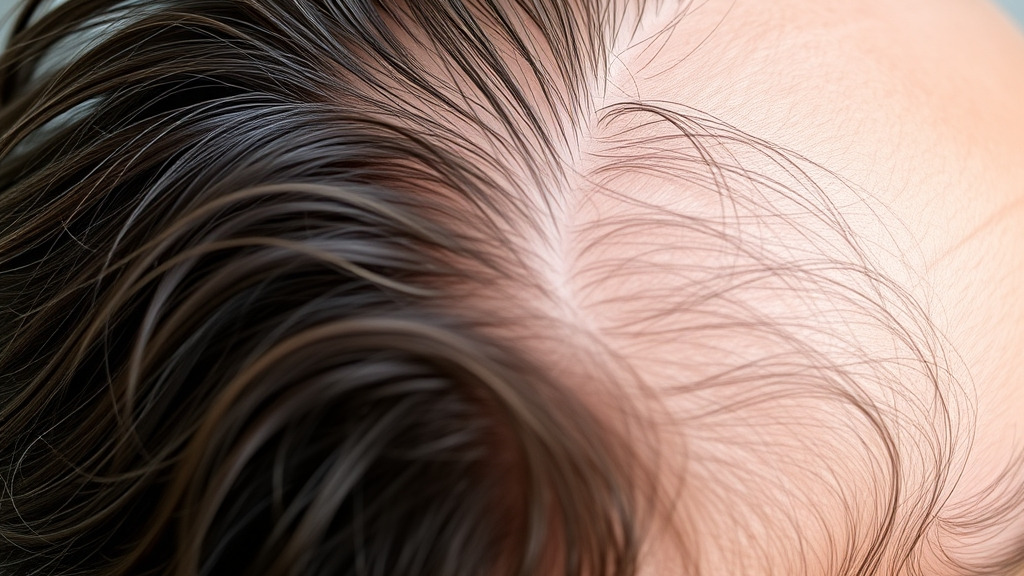
Long-Term Survival of Transplanted Hair
After a decade, the majority of transplanted hair follicles remain permanently in place. The first donor area genetics usually protect the grafts from future thinning, meaning hair that grew at year one continues to grow at year ten. However, natural aging methods still affect hair texture, density, and color. Some patients notice slight thinning due to overall scalp health, while others preserve full coverage. Understanding this balance helps set realistic expectations for the future.
- Transplanted hair typically lasts a lifetime because it retains first genetic resistance to balding.
- Minor age-related thinning may occur in addition to existing native hair.
- Regular scalp massage and soft care support continued follicle health.
1. The transplanted follicles maintain their genetic resistance to thinning, offering lifelong coverage.
2. Minor age-related thinning may occur alongside existing native hair.
3. Regular scalp massage and gentle care support continued follicle health.
4. Surgeon visits provide opportunities to evaluate and address any changes.
Long-term success depends heavily on keeping overall scalp health. Patients who follow post-operative care guidelines and attend periodic check-ups tend to preserve their findings more effectively. Good blood blood flow, proper nutrition, and avoiding harsh styling methods all contribute to keeping the transplanted district in optimal condition. These habits complement the genetic advantages the grafts already possess.
Addressing Ongoing Thinning Near Grafts
Aging often brings continued hair loss in districts surrounding the transplanted region. Since transplanted hair does not thin, but native hair may, a variety of patients notice a contrast over time. This section explains practical methods to balance the hairline, including medical therapies, low-level laser treatment, and careful planning for future procedures. The goal is maintaining a harmonious appearance without requiring complete reconstruction.
- Minoxidil or finasteride can help preserve existing native hair around the transplanted neighborhood.
- Low-level laser therapy may enhance scalp circulation and help hair quality in thinning regions.
- Planning a future transplant appointment can blend new grafts with existing natural hair for a balanced appearance.
1. Topical or oral treatments can slow loss of non-transplanted hair.
2. Low-level laser therapy may improve scalp circulation and hair quality.
3. Styling products create the appearance of thicker hair.
4. Future procedures can harmonize transplanted and native hair.
Maintaining a consistent therapy plan prescribed by a qualified specialist helps manage these changes. Patients are encouraged to discuss their extended goals during regular appointments, allowing for personalized adjustments that align with their evolving hair loss pattern.
Enhancement Procedures for Aging Results
For those seeking subtle improvements or addressing changes after ten years, revision techniques offer viable options. FUE (Follicular Unit Extraction) remains a popular choice for adding density or adjusting hairline shape with minimal scarring. Strip techniques may be considered for larger graft conditions. This section compares on offer approaches, recovery expectations, and how surgeons customize plans to individual anatomy and desired effects.
- FUE leaves tiny, nearly invisible dot scars at the donor area, making it suitable for adding density or refining hairline shape with minimal visibility.
- Recovery typically involves a few days of mild soreness, and most patients return to normal tasks quickly after the procedure.
- New growth becomes visible inside three to four months, with transplanted hair growing without forcing it as it integrates with existing hair.
1. The FUE method produces small, discreet puncture marks.
2. Most patients experience only brief soreness after the procedure.
3. New growth becomes visible within three to four months.
4. Financial considerations reflect the scope of the procedure.
Surgeons often recommend a consultation to determine the most appropriate approach based on donor availability and aesthetic goals. Each case receives individualized assessment to ensure natural-looking outcomes that complement the existing hairline.
Daily Practices for Maintaining Transplanted Hair
Everyday choices significantly impact how well hair transplant findings endure. Protecting the scalp from excessive sun exposure, using mild shampoos, and avoiding tight hairstyles prevent unnecessary stress on follicles. This section outlines practical lifestyle adjustments that assistance long-term hair health, from nutrition selections to stress management approaches that benefit overall personal health and hair quality.
- Use gentle, sulfate-free shampoos and avoid harsh chemical treatments that can irritate the scalp
- Protect the scalp from prolonged direct sun exposure with hats or sunscreen formulated for the scalp
- Schedule periodic follow-up appointments with the transplant surgeon to monitor scalp health and address any concerns early
1. Proper nutrition supplies essential elements for follicle health.
2. Quitting smoking enhances circulation delivering nutrients to follicles.
3. Relaxation practices contribute to healthier hair cycles.
4. Physical activity promotes blood flow throughout the body.
Combining these habits with medical guidance creates a comprehensive strategy to preserving hair transplant investment. Patients who adopt these methods often report greater satisfaction with their appearance even years after surgery.
Hair transplant after 10 years offers stability for most patients, particularly when combined with ongoing care and realistic expectations. While the transplanted grafts themselves are permanent, the surrounding hair landscape may change with age. By staying well-considered, maintaining scalp health, and working closely with a trusted surgeon, individuals can enjoy natural-looking outcomes well into the future. The important lies in proactive control rather than reactive therapy, ensuring confidence in one's appearance for years to come.
Find out more on - Hair Transplant After 10 Years
Report this wiki page