Hair Transplant After 10 Years: Long-term Durability and Care
Wiki Article
Hair transplant after 10 years is a common concern for patients wondering about the ongoing durability of their results. Many individuals who underwent surgery a decade ago still enjoy natural-looking hair, but understanding what to expect helps maintain satisfaction. This article explores the typical lifespan of transplanted hair, factors that influence longevity, and practical steps to preserve outcomes over time. Readers will locate clear information about follow-up care, lifestyle adjustments, and when extra treatments might be beneficial.
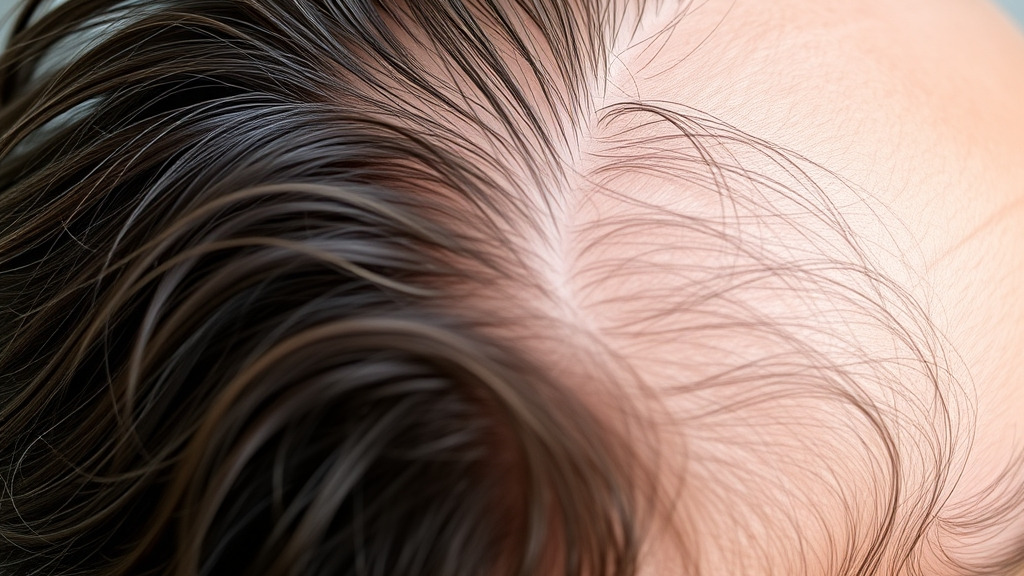
What Happens to Transplanted Hair Long-Term
After a decade, the majority of transplanted hair follicles remain permanently in place. The first donor area genetics generally protect the grafts from future thinning, meaning hair that grew at year one continues to grow at year ten. However, natural aging procedures still affect hair texture, density, and color. Some patients notice slight thinning due to total scalp health, while others keep full coverage. Understanding this balance helps set realistic expectations for the future.
- Transplanted hair typically lasts a lifetime because it retains first genetic resistance to balding.
- Minor age-related thinning may occur together with existing native hair.
- Regular scalp massage and soft care support continued follicle health.
1. The transplanted follicles maintain their genetic resistance to thinning, offering lifelong coverage.
2. Natural aging can affect overall hair density alongside transplanted sections.
3. Regular scalp massage and gentle care support continued follicle health.
4. Follow-up consultations allow surgeons to assess longevity and suggest touch-ups if needed.
Long-term success depends heavily on keeping overall scalp health. Patients who follow post-operative care guidelines and attend periodic check-ups tend to preserve their results more effectively. Good blood movement of blood, proper nutrition, and avoiding harsh styling methods all contribute to keeping the transplanted neighborhood in optimal condition. These habits complement the genetic advantages the grafts already possess.
Managing Natural Hair Loss Around Transplants
Aging often brings continued hair loss in districts surrounding the transplanted region. Since transplanted hair does not thin, but native hair may, a variety of patients notice a contrast over time. This section explains practical strategies to balance the hairline, including medical therapies, low-level laser treatment, and thoughtful planning for future procedures. The objective is maintaining a harmonious appearance without requiring complete reconstruction.
- Minoxidil or finasteride can help preserve existing native hair around the transplanted neighborhood.
- Low-level laser therapy may strengthen scalp circulation and assistance hair quality in thinning districts.
- Planning a future transplant session can blend new grafts with existing natural hair for a balanced appearance.
1. Topical or oral treatments can slow loss of non-transplanted hair.
2. Laser therapy devices can enhance blood flow and hair shaft quality.
3. Hair fiber powders provide immediate cosmetic fullness.
4. Additional transplant sessions can integrate seamlessly with current growth.
Maintaining a consistent therapy plan prescribed by a qualified specialist helps manage these changes. Patients are encouraged to discuss their extended goals during regular appointments, allowing for tailored adjustments that align with their evolving hair loss pattern.
Revision Options for Decade-Old Transplants
For those seeking subtle improvements or addressing changes after ten years, revision methods offer viable options. FUE (Follicular Unit Extraction) stays a popular choice for adding density or adjusting hairline shape with minimal scarring. Strip approaches may be considered for larger graft conditions. This section compares available approaches, recovery expectations, and how surgeons customize plans to individual anatomy and desired results.
- FUE leaves tiny, nearly invisible dot scars at the donor neighborhood, making it suitable for adding density or refining hairline shape with minimal visibility.
- Recovery typically involves a few days of mild soreness, and most patients return to normal activities quickly after the procedure.
- New growth becomes visible inside three to four months, with transplanted hair growing organically as it integrates with existing hair.
1. FUE extraction leaves tiny, nearly invisible dots at the donor site.
2. Most patients experience only brief soreness after the procedure.
3. New growth becomes visible within three to four months.
4. Pricing depends on the extent of work and facility standards.
Surgeons often recommend a consultation to determine the most appropriate method based on donor availability and aesthetic goals. Each case receives individualized assessment to ensure natural-looking outcomes that complement the existing hairline.
Habits That Promote Hair Longevity
Everyday choices significantly impact how well hair transplant outcomes endure. Protecting the scalp from excessive sun exposure, using mild shampoos, and avoiding tight hairstyles prevent unnecessary stress on follicles. This section outlines practical lifestyle adjustments that support long-term hair health, from nutrition options to stress management techniques that benefit overall personal health and hair quality.
- Use gentle, sulfate-free shampoos and avoid harsh chemical treatments that can irritate the scalp
- Protect the scalp from prolonged straightforward sun exposure with hats or sunscreen formulated for the scalp
- Schedule periodic follow-up appointments with the transplant surgeon to monitor scalp health and address any concerns early
1. Proper nutrition supplies essential elements for follicle health.
2. Avoiding tobacco supports better scalp perfusion.
3. Relaxation practices contribute to healthier hair cycles.
4. General fitness aids nutrient delivery to hair roots.
Combining these habits with medical guidance creates a comprehensive strategy to preserving hair transplant investment. Patients who adopt these methods often report greater satisfaction with their appearance even years after surgery.
Hair transplant after 10 years offers stability for most patients, particularly when combined with ongoing care and realistic expectations. While the transplanted grafts themselves are permanent, the surrounding hair landscape may change with age. By staying well-considered, maintaining scalp health, and working closely with a trusted surgeon, persons can enjoy natural-looking findings well into the future. The central lies in proactive management rather than reactive therapy, ensuring confidence in one's appearance for years to come.
Find out more on - 5000 Grafts Hair Transplant
Report this wiki page